

 Quick start
  Download
  Manual
  Install
  Contact
  Sign in
  |
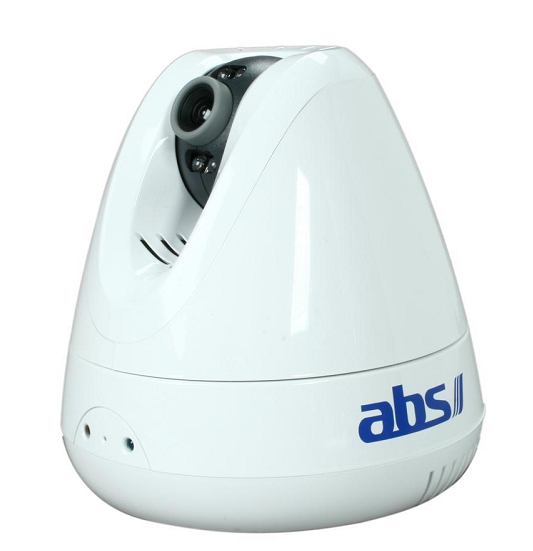
| Brand | Models | Example URL | Audio |
|---|---|---|---|
| Abs | 3 series | http://IPADDRESS/snapshot.cgi?user=[USERNAME]&pwd=[PASSWORD] | No |
| Abs | 3 series | http://IPADDRESS/mjpg/1/video.mjpg | No |
| Abs | 3 series | http://IPADDRESS/jpg/1/image.jpg | No |
| Abs | 3 series | rtsp://IPADDRESS/mpeg4/[CHANNEL]/media.amp | Possible |
| Abs | 4 series | http://IPADDRESS/video.cgi?resolution=VGA | No |
| Abs | 4 series | http://IPADDRESS/mjpg/1/video.mjpg | No |
| Abs | 4 series | http://IPADDRESS/mjpg/[CHANNEL]/video.mjpg | No |
| Abs | 4 series | http://IPADDRESS/jpg/1/image.jpg | No |
| Abs | 4 series | rtsp://IPADDRESS/mpeg4/[CHANNEL]/media.amp | Possible |
| Abs | MegaCam | http://IPADDRESS/jpg/1/image.jpg | No |
| Abs | MegaCam 312M | http://IPADDRESS/jpg/1/image.jpg | No |
| Abs | megacam 4210 | rtsp://IPADDRESS/mpeg4/[CHANNEL]/media.amp | Possible |
| Abs | Other | http://IPADDRESS/cgi-bin/net_jpeg.cgi?ch=[CHANNEL] | No |
| Abs | Other | http://IPADDRESS/jpg/1/image.jpg | No |
| Abs | Other | http://IPADDRESS/video.cgi?resolution=VGA | No |
| Abs | Other | http://IPADDRESS/videostream.cgi | No |
| Abs | Other | http://IPADDRESS/videostream.cgi?user=[USERNAME]&pwd=[PASSWORD] | No |
| Abs | Other | rtsp://IPADDRESS/mpeg4/[CHANNEL]/media.amp | Possible |
| Abs | Other | http://IPADDRESS/videostream.cgi?rate=0 | No |
Important: How to use the above connection methods:
To view or record your camera video in real time, you need to use install Ozeki Camera Recorder. In the camera recorder you have to create an RTSP camera connection. In the configuration form you need to enter the RTSP url starting with the prefix rtsp://. More information about how to setup your rtsp camera is available on the following link
How to use you camera in Ozeki Camera Recorder
More information
- How to connect to a Adj camera
- How to connect to a Airsight camera
- How to connect to a Airsoft camera
- How to connect to a Aivant camera
- How to connect to a Airspace camera
- How to connect to a Advidia camera
- How to connect to a Advisen camera
- How to connect to a Advitronics camera
- How to connect to a Aecbl1 camera
- How to connect to a Aegis camera
- How to connect to a Aevision camera
- How to connect to a Afidus camera
- How to connect to a Afreey camera
- How to connect to a Agasio camera
- How to connect to a Agk camera
- How to connect to a Agptek camera
- How to connect to a Agrofilm camera
- How to connect to a Agsso camera
- How to connect to a Aguadilla camera
- How to connect to a Aguilera camera
- How to connect to a Aeon camera
- How to connect to a Ahd camera
- How to connect to a Aeoss camera
- How to connect to a Aercont camera
- How to connect to a Aeromax camera
- How to connect to a Airstream camera
- How to connect to a Airties camera
- How to connect to a Airtop camera
- How to connect to a Aircam camera
- How to connect to a Airlink camera
- How to connect to a Adt camera
- How to connect to a Adv camera
- How to connect to a Advance camera
- How to connect to a Aha camera
- How to connect to a Adhua camera
- How to connect to a Aes camera
- How to connect to a Aetos camera
- How to connect to a Adapter camera
- How to connect to a Ahio Digital camera
- How to connect to a Ahula camera
- How to connect to a Adamas camera
- How to connect to a Ai Ball camera
- How to connect to a Ai Wifi camera
- How to connect to a Active camera
- How to connect to a Aiex camera
- How to connect to a Aigas camera
- How to connect to a Ainol camera
- How to connect to a Aipcam camera
- How to connect to a Actioncam camera
- How to connect to a Airmobi camera
- How to connect to a Adc camera
- How to connect to a Airship camera
- How to connect to a Airview camera
- How to connect to a Airwave camera
- How to connect to a Adata camera
- How to connect to a Ait camera
- How to connect to a Aitek camera
- How to connect to a Adiance camera
- How to connect to a Ajhua camera
- How to connect to a Acunico camera
- How to connect to a Acumen camera
- How to connect to a Activa camera
- How to connect to a Actiontec camera
- How to connect to a Action camera
- How to connect to a Acromedia camera
- How to connect to a Acor camera
- How to connect to a Acesee camera
- How to connect to a Achtertuin camera
- How to connect to a Aceri-bcn camera
- How to connect to a Acer camera
- How to connect to a Accsxperts camera
- How to connect to a Accfly camera
- How to connect to a Absolutron camera
- How to connect to a Acam camera
- How to connect to a Abs camera
- How to connect to a A-bmi camera
- How to connect to a Ambient Weather camera
- How to connect to a Abelcam camera
- How to connect to a A4tech camera
- How to connect to a 9up camera
- How to connect to a Acm camera
- How to connect to a 8level camera
- How to connect to a A1webcam camera
- How to connect to a 7-star camera
- How to connect to a Ac38xx camera
- How to connect to a 4xptz camera
- How to connect to a 255 camera
- How to connect to a 2n Helios camera
- How to connect to a 307 Hi Silicon camera
- How to connect to a 360 Eye camera
- How to connect to a 3com camera
- How to connect to a 3g Ipcam camera
- How to connect to a 3r camera
- How to connect to a 3S camera
- How to connect to a 4er camera
- How to connect to a 3xlogic camera
- How to connect to a 4mp camera
- How to connect to a 4ucam camera
- How to connect to a Abr camera
- How to connect to a 4sdot camera
- How to connect to a 4xem camera
- How to connect to a 555 camera
- How to connect to a 7links camera
- How to connect to a 5mpbullet camera
- How to connect to a ABUS camera
- How to connect to a ACTi camera
- How to connect to a AirLive camera
- How to connect to a Allnet camera
- How to connect to a Amovision camera
- How to connect to a ANRAN camera
- How to connect to a Arecont camera
- How to connect to a Arlotto camera
- How to connect to a AVerMedia camera
- How to connect to a AVIOSYS camera
- How to connect to a AVTECH camera
- How to connect to a Axis camera
- How to connect to a Aztech camera
- How to connect to a Basler camera
- How to connect to a Beward camera
- How to connect to a BOSCH camera
- How to connect to a Brickcom camera
- How to connect to a Canon camera
- How to connect to a Cantonk camera
- How to connect to a Cisco camera
- How to connect to a Compro camera
- How to connect to a Cotier camera
- How to connect to a CP PLUS camera
- How to connect to a Dahua camera
- How to connect to a Dericam camera
- How to connect to a Digital Watchdog camera
- How to connect to a Digitus camera
- How to connect to a D-Link camera
- How to connect to a DVTel-IOimage camera
- How to connect to a Dynacolor camera
- How to connect to a EasyN camera
- How to connect to a Edimax camera
- How to connect to a Eneo camera
- How to connect to a ESCAM camera
- How to connect to a Etrovision camera
- How to connect to a EverFocus camera
- How to connect to a EVIDENCE camera
- How to connect to a FLIR Systems camera
- How to connect to a Foscam camera
- How to connect to a Geovision camera
- How to connect to a Grandstream camera
- How to connect to a HD IPC camera
- How to connect to a H.264 camera
- How to connect to a H 264 network DVR camera
- How to connect to a Heden camera
- How to connect to a Hi3507 camera
- How to connect to a Hikvision camera
- How to connect to a HiSilicon camera
- How to connect to a Honeywell camera
- How to connect to a Huacam camera
- How to connect to a Hunt camera
- How to connect to a INSTAR camera
- How to connect to a IPCC camera
- How to connect to a IPS camera
- How to connect to a JVC camera
- How to connect to a Laview camera
- How to connect to a LevelOne camera
- How to connect to a LG camera
- How to connect to a LILIN camera
- How to connect to a Linksys camera
- How to connect to a Logitech camera
- How to connect to a Lorex camera
- How to connect to a LTS camera
- How to connect to a Mega-pixel camera
- How to connect to a Merit camera
- How to connect to a MESSOA camera
- How to connect to a Milesight camera
- How to connect to a Novus camera
- How to connect to a Onvif camera
- How to connect to a Panasonic camera
- How to connect to a Pelco camera
- How to connect to a Planet camera
- How to connect to a Q-See camera
- How to connect to a Qvis Labs camera
- How to connect to a Samsung camera
- How to connect to a Santec camera
- How to connect to a Sanyo camera
- How to connect to a Sercomm camera
- How to connect to a Siemens camera
- How to connect to a Siqura camera
- How to connect to a Sony camera
- How to connect to a Speco camera
- How to connect to a Suneyes camera
- How to connect to a Swann camera
- How to connect to a Topsee camera
- How to connect to a Toshiba camera
- How to connect to a TP-Link camera
- How to connect to a Ubiquiti camera
- How to connect to a Vicon camera
- How to connect to a VideoIQ camera
- How to connect to a Vivotek camera
- How to connect to a Wirepath camera
- How to connect to a XVision camera
- How to connect to a Yoko camera
- How to connect to a Zavio camera
- How to connect to a Zmodo camera